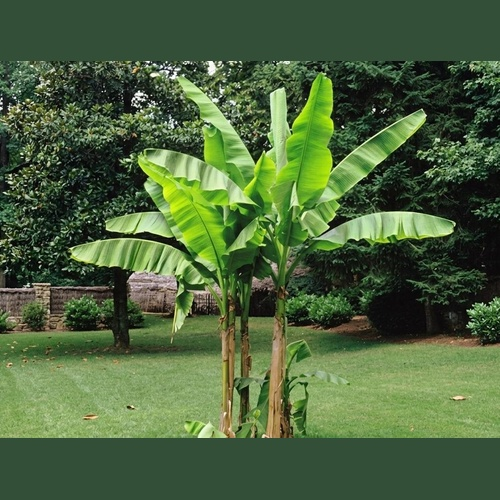
Over-fertilizing banana plants is a common error, especially among gardeners eager to see fast growth. The signs are often mistaken for nutrient deficiencies, leading to a vicious cycle of more fertilizer and worsening damage. The most reliable indicator is brown, crispy leaf tips and margins, particularly on older leaves. This is caused by salt burn, not a lack of nutrients. As salts accumulate, the plant's roots become stressed and less efficient at absorbing water and nutrients. You may notice the plant wilting despite moist soil, and new leaves emerging smaller and softer than normal. In containers, a white, crusty layer on the soil surface is a clear sign of salt buildup.
At twoleafgarden.com, the recommended approach is to flush the soil when you suspect over-fertilizing. For potted bananas, this means slowly pouring several volumes of water through the pot, allowing it to drain completely. This leaches out excess salts. Repeat the process a few times, then wait several weeks before feeding again. When you resume, use a diluted solution of a balanced, potassium-rich fertilizer. For in-ground plants, deep watering can help disperse salts, but prevention is better: always follow the label rate on your banana tree fertilizer and never feed more often than recommended.
The best fertilizer for banana plants is one that matches their specific needs—high in potassium, low in phosphorus—and is applied consistently. Over-fertilizing not only wastes money but also harms the plant and the soil. By monitoring your plant's response and adjusting your routine, you can avoid the pitfalls of excess and enjoy a healthy, productive banana plant.
✨ All extensions are now fully compatible with Joomla 5.4.x and 6.
We use cookies to maintain login sessions, analytics and to improve your experience on our website. By continuing to use our site, you accept our use of cookies, Terms of Use and Privacy Policy.